
X-ray
What is a plain X-ray?
A plain (or general) X-ray is a fast, painless imaging test that allows doctors to see inside your body without surgery. It uses a small amount of radiation to create pictures of bones, organs, and other internal structures.
Different tissues absorb radiation differently:
- Bone: Appears white (very dense)
- Soft tissue (muscles/organs): Appears grey
- Air (lungs): Appears black
This contrast helps doctors identify abnormalities such as fractures, infections, or blockages.
X-rays are one of the most commonly used diagnostic tools in medicine and are often the first imaging test requested when investigating a health concern.
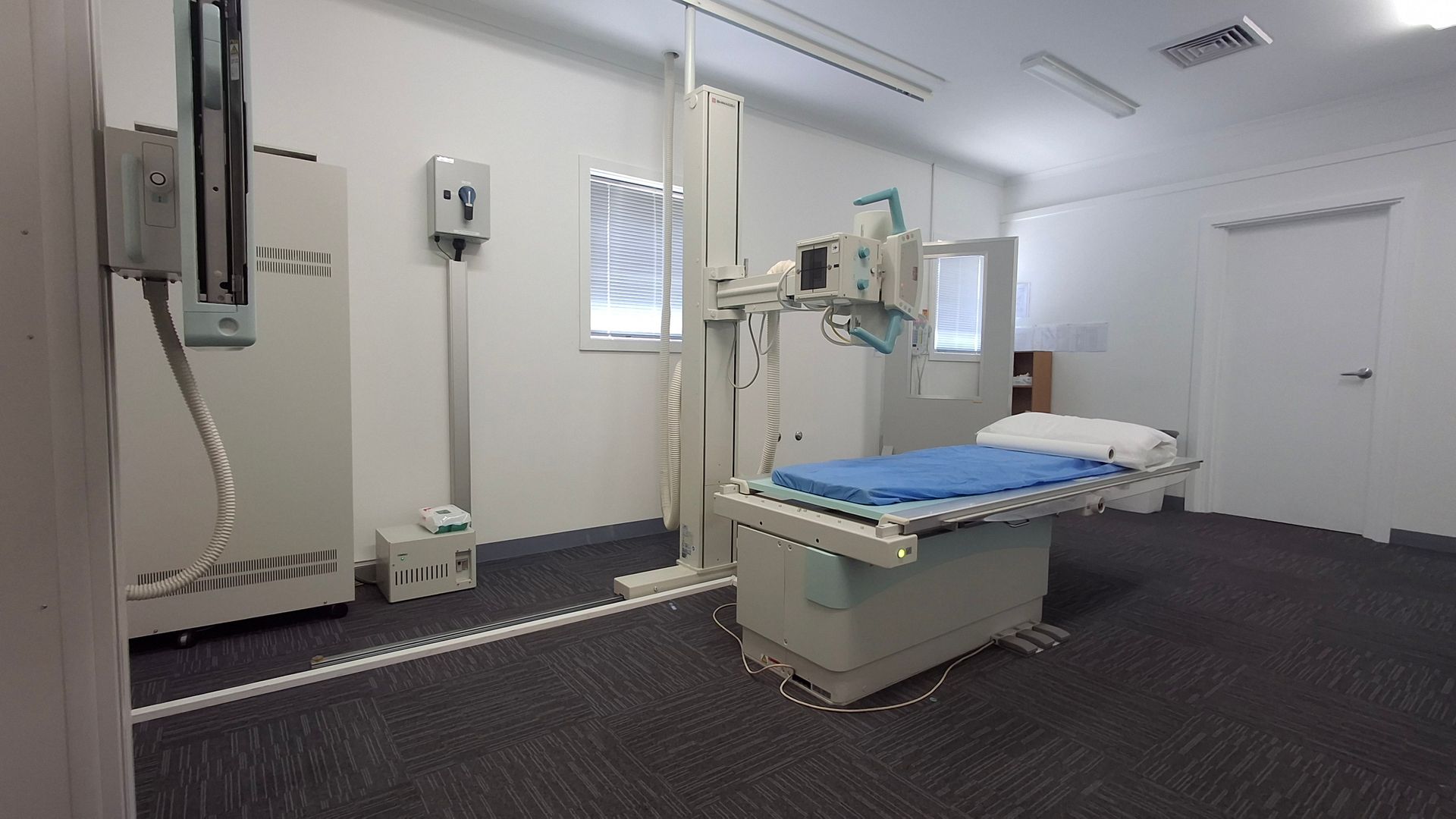
Who is suitable for an X-ray?
- Individuals with bone injuries if a fracture, dislocation, or joint issue is suspected.
- Patients with persistent joint pain.
- For people with respiratory issues, X-rays can detect pneumonia, lung infections, and conditions like tuberculosis.
- People undergoing pre-surgical assessments to ensure no underlying abnormalities before a procedure.
Pregnant women should avoid X-rays unless absolutely necessary, as radiation exposure can pose risks to the developing fetus. In such cases, ultrasound or MRI may be safer alternatives.
Benefits of plain X-ray
- Quick and painless (can typically be completed within minutes)
- Non-invasive diagnostic tool
- Highly effective for bone imaging and detecting fractures or arthritis
- X-rays are generally more affordable and accessible than imaging methods like MRI/CT/Ultrasound.
- Low radiation exposure – Modern X-ray machines use minimal radiation while providing clear images.
What can plain X-ray diagnose?
X-rays help diagnose a wide range of medical conditions, including:
- Bones and joints – Helps diagnose fractures, dislocations, scoliosis, and other musculoskeletal conditions.
- Bone growth or deformities – Useful for detecting abnormalities such as bone tumours, bone infections, or congenital bone defects.
- Identifying foreign objects that have been swallowed or embedded, particularly metal objects.
- Conditions affecting the heart/lungs such as cardiomegaly (enlarged heart), tuberculosis, pneumothorax (collapsed lung), pleural effusion (fluid around the lungs) or pericardial effusion (fluid around the heart).
Preparation for a plain X-ray
X-ray Preparation Summary
- No preparation
- 5-15 mins procedure
- Same day appointments available
What to bring:
- Referral from your doctor – Most X-rays require a medical referral.
- Medicare card or private health insurance details or Workers' Compensation details (if applicable).
- Previous X-rays or imaging reports – If a follow-up comparison is needed.
- Comfortable clothing – Depending on the type of X-ray, you may be asked to change into a medical gown.
What to wear:
- Wear loose, comfortable clothing without metal zippers, buttons, or embellishments.
- Avoid jewellery, piercings, belts, and watches, as metal objects can interfere with imaging.
- Remove bras with underwires if getting a chest or spine X-ray.
X-ray Procedure
The X-ray procedure is quick and painless, typically involving the following steps:
- Identity Confirmation – The radiographer will verify your identity and referral details.
- Clothing adjustment – You may need to change into a medical gown or remove any obstructive clothing/jewellery.
- Positioning – The radiographer will position you depending on the body part being imaged. This may include:
- Standing upright
- Lying down on a table
- Sitting down
- Image capture – The radiographer will guide you to stay still while the X-ray machine takes images. You may be asked to:
- Hold your breath for a few seconds (for chest X-rays).
- Change positions for multiple angles.
- Reviewing the images – The radiographer will check if the images are clear. If necessary, additional images may be taken.
The entire process is usually completed within 15 minutes unless additional scans are required.
What to expect after a plain X-ray?
Since X-rays are non-invasive and generally painless, no recovery period is usually needed. You can resume normal activities immediately after a plain X-ray. Getting your results:
- Routine X-rays – 48-96 hours.
- Your referring doctor will review the images and discuss the findings in a follow-up appointment.
X-ray Risks
The risks of plain X-ray imaging are far outweighed by the benefits. The most commonly associated risk with plain X-ray is radiation exposure leading to cancer occurring many years after exposure. The doses used in diagnostic radiography are as low as possible, and there is little to no evidence of health effects correlated with this dose of exposure.
Plain X-ray Costs
The cost of a plain x-ray can vary depending on several factors, including:
- Medicare coverage – Most plain x-rays are bulk-billed, meaning they are fully covered under Medicare. Others may require an out-of-pocket payment.
- Private health insurance—Depending on your plan, private health insurance may cover part or all of the cost.